


Troebel Wijnen
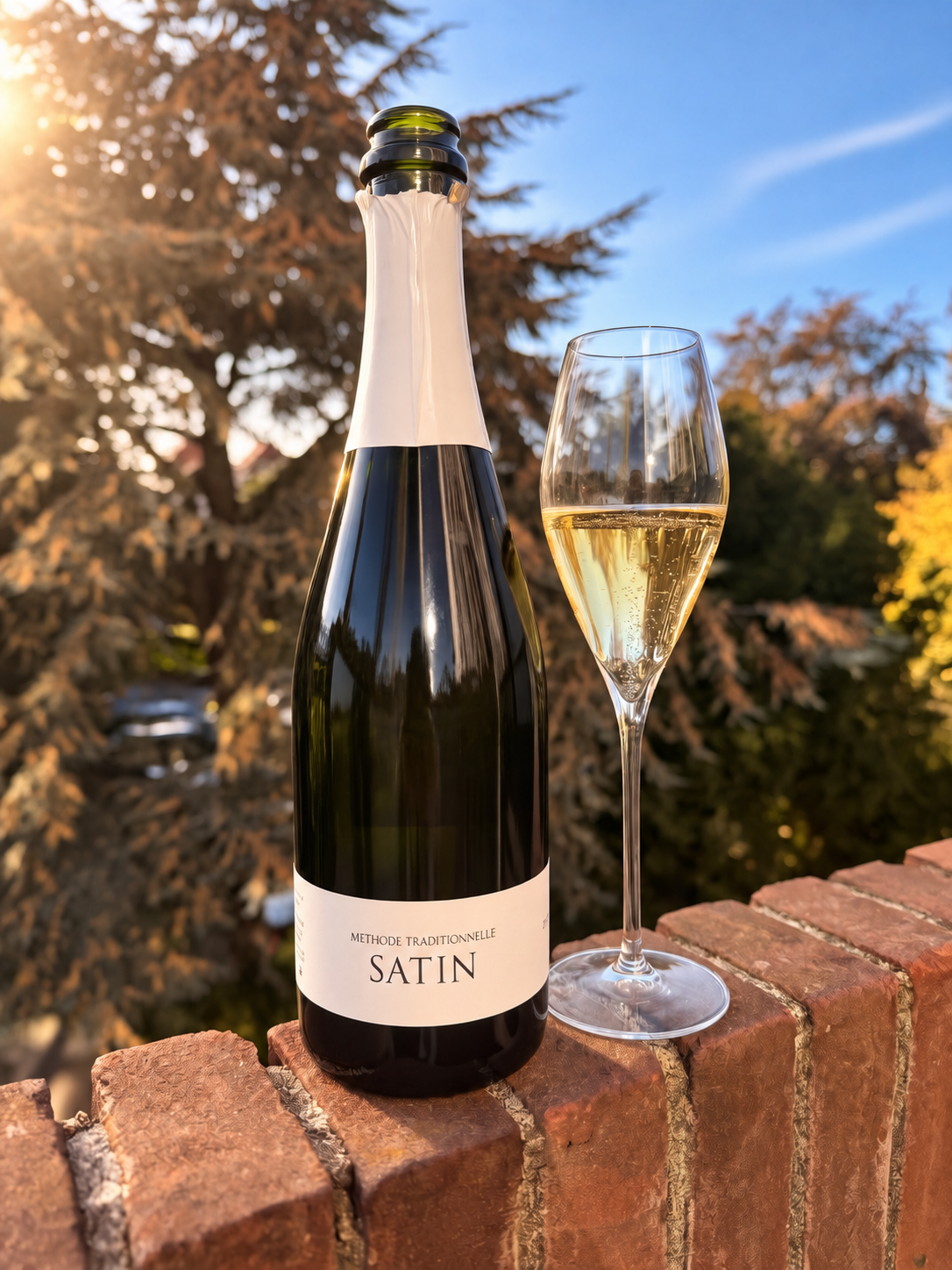
Optimbulles - Satin
Optimbulles - Satin
Couldn't load pickup availability
The Wine & The Maker
Winemaker: Maxim Geunis / Wijndomein Optimbulles
Region: Haspengouw, Belgium
Grapes: Chardonnay
The Story
Satin comes from Optimbulles, one of the early pioneers of natural wine in Belgium. The estate started in Haspengouw in the early 1990s and is now continued by Maxim Geunis, the second generation of the family.
Optimbulles originally grew out of a love for sparkling wine, although these days Maxim makes a much broader range. Fermentations are spontaneous, intervention in the cellar is kept to a minimum and the vineyards are increasingly farmed with a regenerative approach. The goal is not to recreate exactly the same wine every year. What the vintage gives them largely decides what ends up in the bottle.
Satin is one of the smaller cuvées outside their permanent range. No huge production or carefully polished marketing story. Just the sort of wine Optimbulles does particularly well: Belgian fruit, natural winemaking and plenty of room for the wine itself to do the talking.
The Vibe & Tasting Notes
A lively Belgian sparkling wine without any of the formality that can sometimes come with bubbles. Fresh, energetic and very easy to open without needing an occasion. Great as an aperitif, but just as good with oysters, light fish dishes or anything salty and crunchy.
How does it work?
How does it work?
Images are for illustration purposes only. The actual wines in each box may vary.
A box with the amount of bottles of your choosing delivered every month on the first week. The theme changes monthly. One month you get wines from Hungary, some months all oranges, some months... who knows!
Pause or change your subscription at any time. Going on holiday and want to skip a month? No problem. Got excited after trying out a 1-bottle box and want to go for the 3-bottle box next? No problem!
Why natural wine costs more, and why it’s worth it
-
No shortcuts
Growers who refuse pesticides and chemical additives accept that they’ll lose a significant part of their harvest to weather, disease, and unpredictable nature, but they do it to keep their wines pure, alive, and honest.
-
Risk and loss
Nature swings between plenty and scarcity; frost, hail, heat and ferments can erase volumes, fewer bottles must carry the farm’s costs, with ageing measures adding expense to keep the wine clean and true over time.
-
Integrity and handwork
Hands replace chemicals: they weed, manage canopies, pick, and sort by hand; presses and gravity moves protect texture, while cleanliness and patient ageing deliver purity without shortcuts, increasing labor but preserving integrity in every bottle.
